
Nigeria’s biodiversity crisis is not only about disappearing wildlife and ecosystems but also about visibility, according to biodiversity advocate, Oluwasooto Ajayi, who says many Nigerians cannot protect nature because they barely see or understand it.
Ajayi, who is the founder of Nigeria Nature Photography Awards, while speaking during a webinar organised by Wild Africa on Monday, May 18, 2026, said Nigeria remains one of Africa’s most biologically diverse countries despite limited documentation of its wildlife, forests, wetlands and other natural ecosystems.
The expert said this ahead of the International Day for Biological Diversity, widely celebrated annually on the 22nd of May, and the planned launch of the Nigeria Nature Photography Awards.
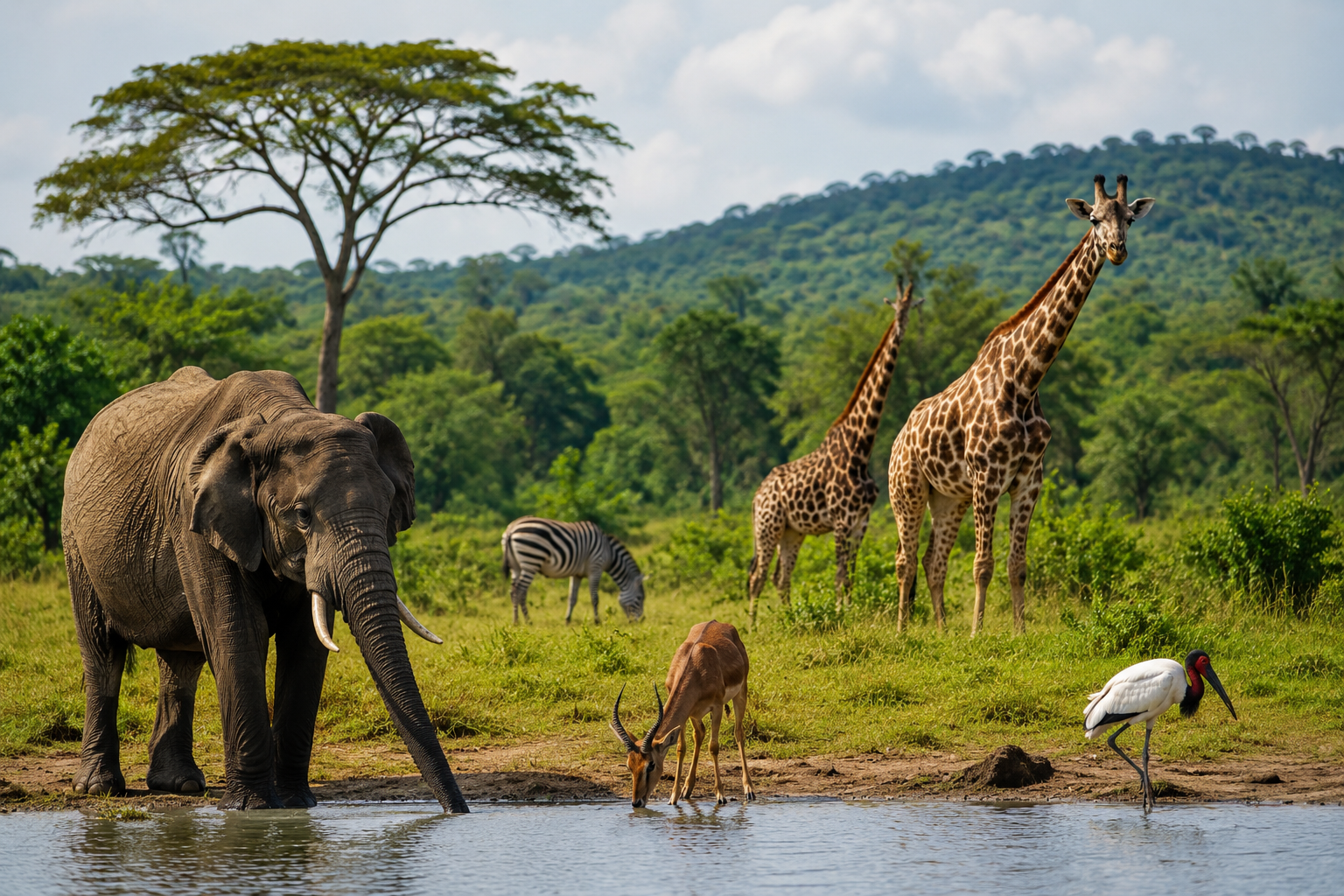
According to her, Nigeria possesses a vast ecological landscape ranging from mangroves and wetlands to savannas and rainforests, with more than 5,000 species already recorded and many others yet to be discovered.
“Biodiversity is simply the diversity in biology,” she said. “Nigeria is one of the best countries to look at that because we have wetlands, mangroves, savannas and so many different ecosystems and species.”
Ajayi explained that while many Nigerians see conservation as distant from their daily struggles, nature directly affects food production, climate regulation, health, agriculture and livelihoods.
She noted that pollinators such as bees are essential for crop yields, while healthy soil biodiversity determines agricultural productivity.
“If you don’t have pollinators, you’re not going to get a good yield. If you don’t have rich soil, agriculture will suffer,” he said.
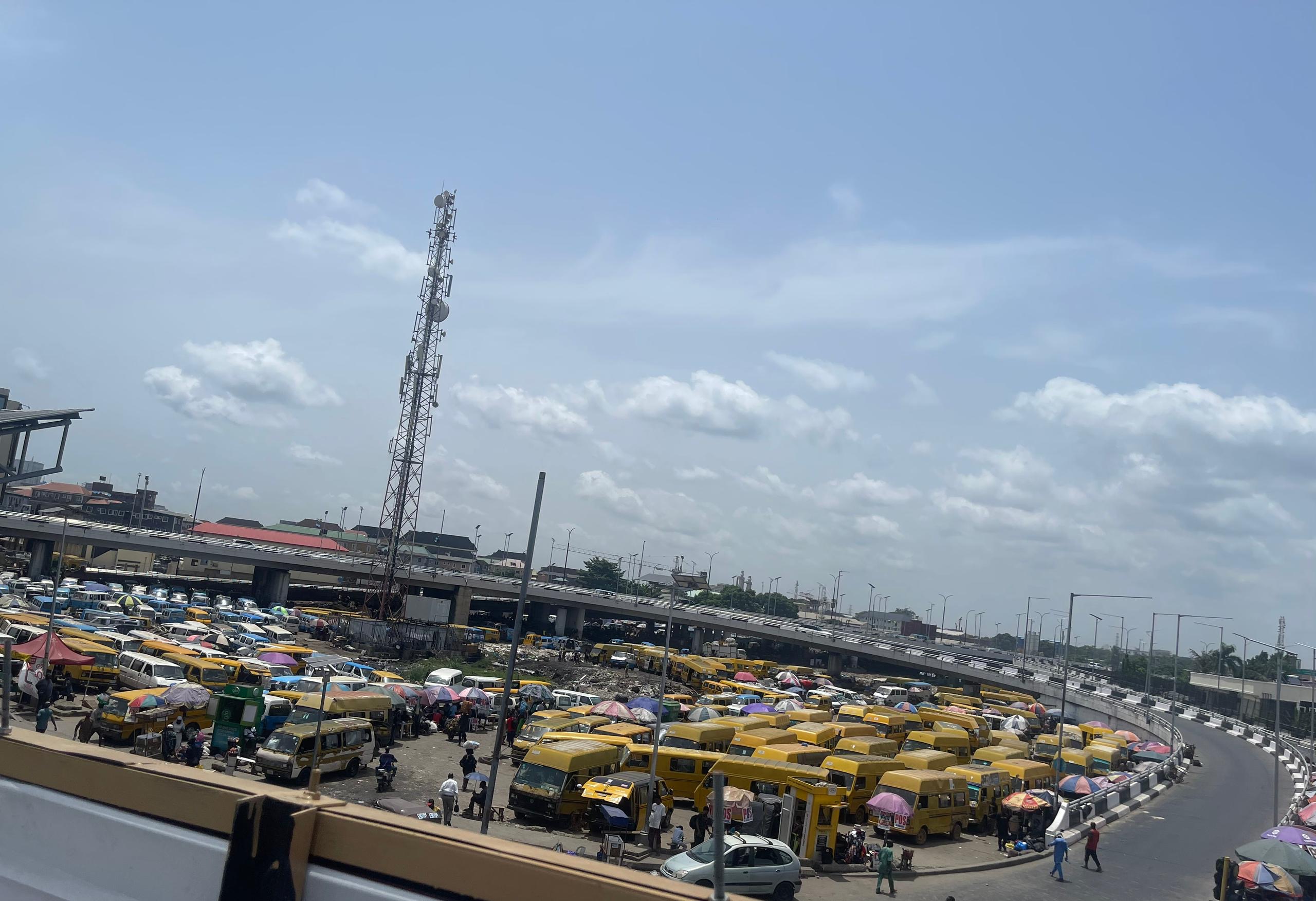
She also linked rising heat in Lagos to declining tree cover, stressing that trees help provide shade, absorb pollutants and improve air quality, while mangroves help reduce flooding.
“One of the reasons Lagos is so hot is because we don’t have enough trees,” she added.
Ajayi said many Nigerians are disconnected from conservation conversations because of economic hardship and urban living, but argued that nature remains deeply woven into everyday life.
“Nature is all around you,” she said. “Nature is the gecko eating the maggots, the birds around you, the herbs, the microorganisms in the soil. We are part of a very complex ecosystem.”
Using examples from farming and fishing communities, Ajayi argued that local communities already understand the importance of biodiversity through lived experience, even if they do not use scientific terms like “ecosystem services.”
She pointed to oil spills in the Niger Delta that have damaged fishing livelihoods and desertification affecting farmers in Northern Nigeria as evidence of how environmental degradation directly impacts survival.
“For fishers and farmers, we are not teaching them anything new. They are teaching us,” she added.
Ajayi called for greater attention to indigenous environmental knowledge and local conservation practices, adding that many Nigerians historically understood the relationship between nature, farming and survival long before modern conservation campaigns emerged.
Speaking on NNPA, she said Nigeria Nature Photography Awards was designed to bridge the gap between Nigeria’s biodiversity and the country’s creative industry by encouraging photographers, filmmakers and ordinary Nigerians to document wildlife and ecosystems.
According to her, Nigeria lacks iconic wildlife imagery partly because nature photography has received little economic and institutional support compared to commercial photography sectors such as weddings and events.
“A lot of photographers don’t believe there is a market for nature photography, but you cannot conserve what you do not see. You cannot value what you do not see”, she emphasised.
Ajayi praised the talent of Nigerian creatives and photographers, saying their work could help reshape public perception about conservation and national identity.
In her words, “There is a way photographers can show the beauty of this country that nobody else can”.
Comparing Nigeria with countries such as Kenya and South Africa, Ajayi said those countries invested earlier in tourism, wildlife storytelling and conservation visibility, though she cautioned against simply copying foreign models.
She noted that some conservation systems elsewhere in Africa emerged during colonial periods and sometimes excluded local communities from their ancestral lands.
“We do not want to become Kenya or South Africa,” he said. “There are lessons we can learn, but we must focus on our own context.”
Ajayi also acknowledged the role of the Nigerian government and environmental organizations in developing biodiversity policies and participating in regional conservation efforts.
She urged schools, media organizations, creatives, researchers, environmental groups and policymakers to work together to improve biodiversity awareness and sustainable environmental practices.
According to her, young people especially need to understand that conservation is not only about protecting wildlife, but also about safeguarding food systems, public health and future livelihoods.
She further highlighted the economic potential of biodiversity through ecotourism, conservation financing and biodiversity-based industries, saying Nigeria must begin to see its natural resources as extending beyond oil and gas.
“We need to recognize that we are blessed,” she said. “The natural resources God has given us are not only oil and gas. We have all these different species around us and we must pay attention to them, document them and protect them.”
All rights reserved. This material, and other digital content on this website, may not be reproduced, published, broadcast, rewritten or redistributed in whole or in part without prior express written permission from Third Lens.
Contact: theeditor@thirdlensng.com