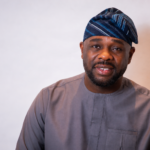
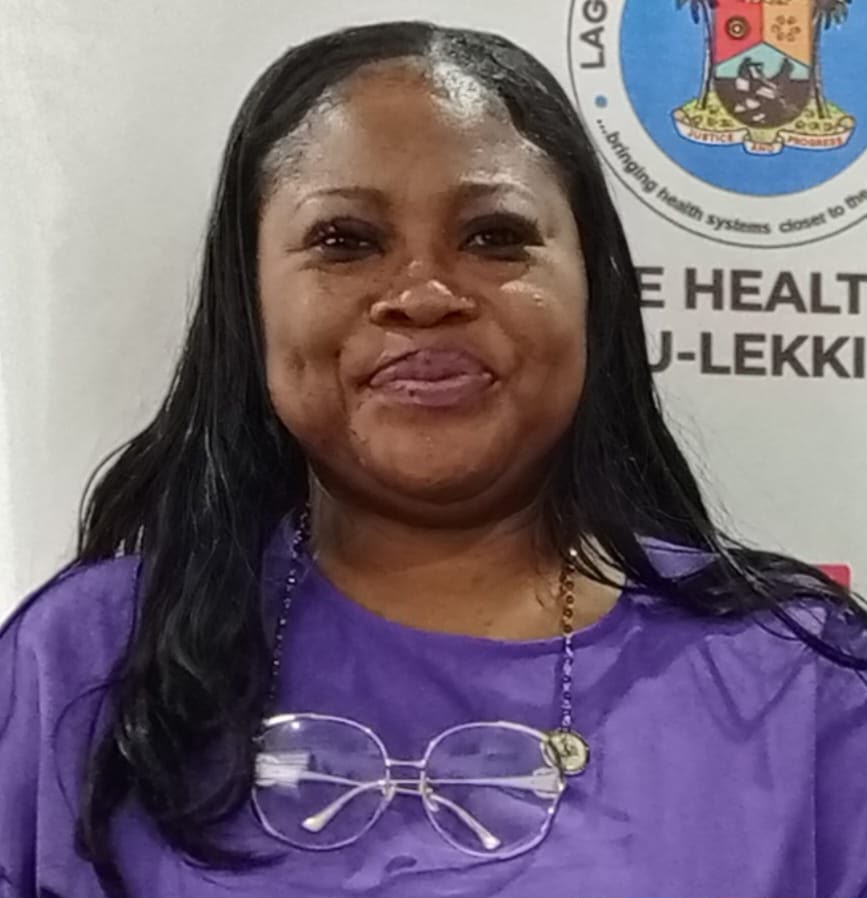
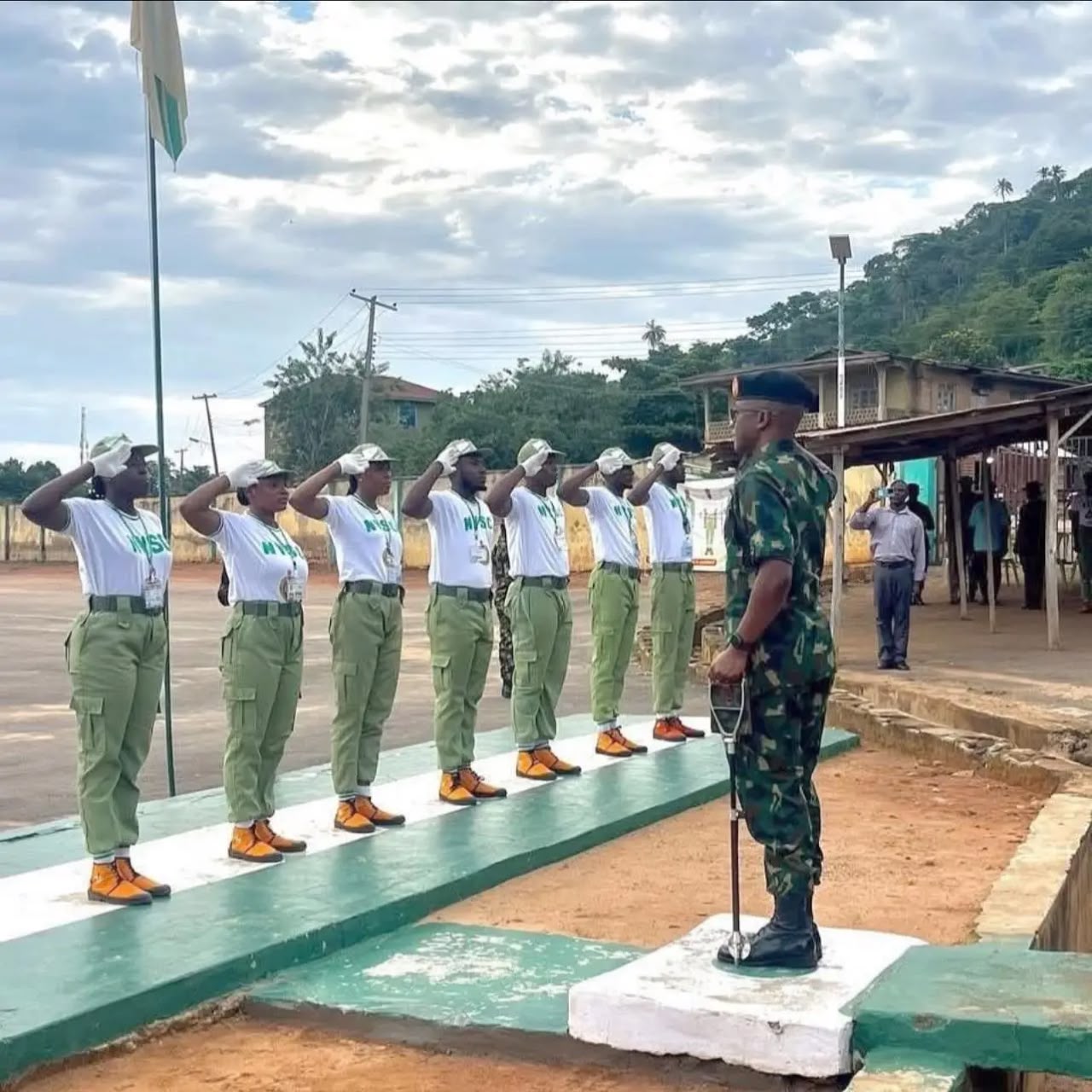

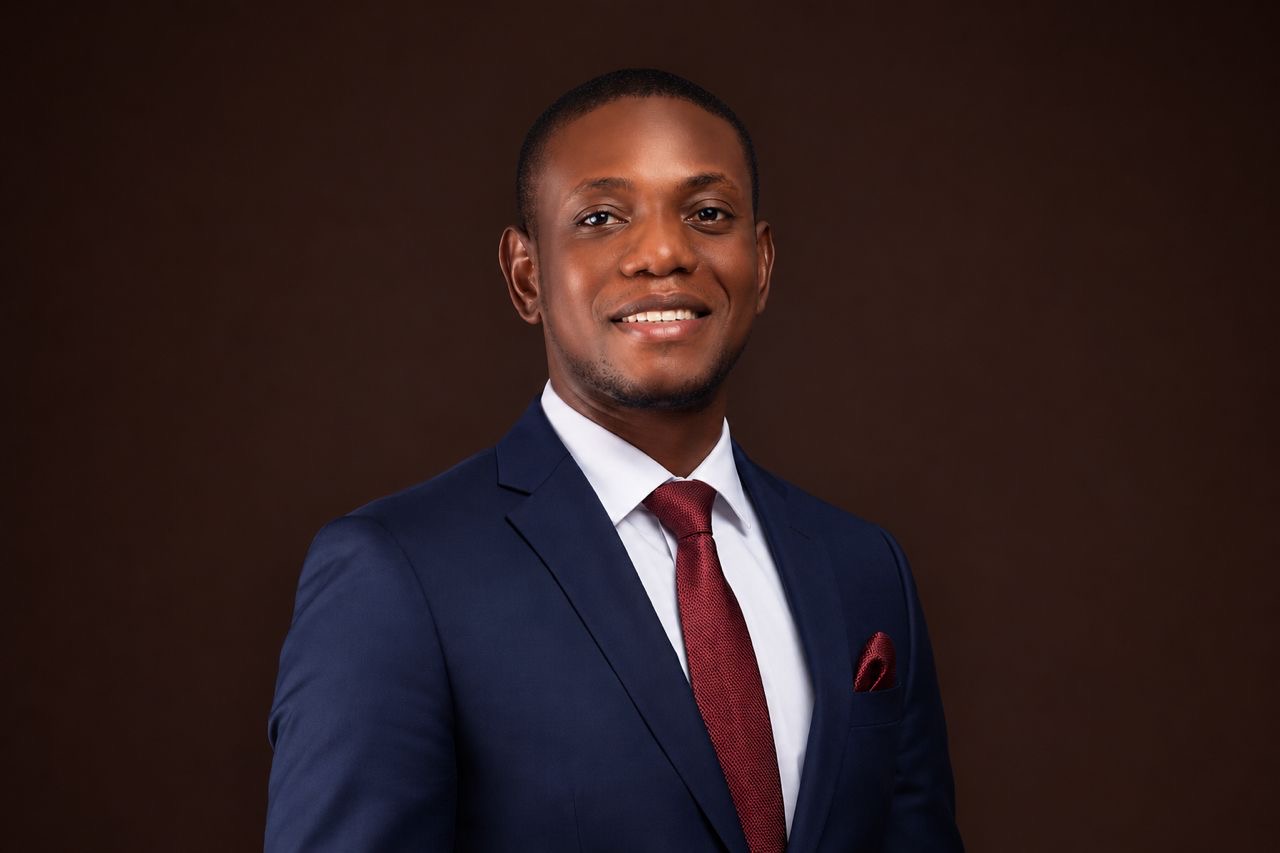
In this interview with THIRD LENS, Ilerioluwa Adeyemi Ajayi, who hails from Okemesi Ekiti, Ekiti State, speaks about his political ambition in the state.
What elective position are you aspiring for and under which party?
I am aspiring to be a member of the Federal House of Representatives, to represent Ekiti Central Constituency 2, and I will be contesting under the African Action Congress (AAC).
Why are you seeking to represent the people of Ekiti Central in the House of Representatives, and what prepared you for this role?
I have a burning desire to see the Nigeria of my dreams become a reality. I am driven by the philosophies of leaders like Mandela, Awolowo, Malema, and Omoyele Sowore, who have remained consistent over the years and never wavered in their quest for a better Africa that can set the pace for the world at large.
In terms of experience, I have served in several capacities, including as a Student Union PRO, an active member of a campaign council in the Socialist Party of Nigeria, and at one time the Vice Chairman of the Ekiti African Action Congress. All these experiences will help me when I am elected to this position, and I am still eager to gain more experience.
What are the three biggest challenges facing communities in Ekiti Central today, and what practical solutions would you push for if elected?
Ekiti is a state blessed with many intellectuals in the academic and industrial world, but the government of the day has not done enough to tap into these potentials in making Ekiti the pace setter among states in the federation.
There are deficits in our healthcare system, labour market, and education sector, where we have dilapidated school structures. The increase in fuel prices has also become a thorn in the flesh of our farmers and marketers.
In this regard, we must make our basic health centres functional by supplying medicines and working hand in hand with public health workers to enlighten our people about sanitation, pregnancy care, immunisation, vaccination, and the need for 24-hour services in health centres.
I will not divert constituency projects for personal gain. Such projects will be used to renovate public schools, and we will introduce policies that encourage students to be punctual and committed to their academic activities because education remains the greatest weapon for building a better society.
At the federal level, I will always advocate for the return of fuel subsidy and an increase in the minimum wage because our teeming population is underemployed, and the current minimum wage cannot rescue the populace from poverty.
Youth unemployment remains a major concern in Nigeria. What specific plans do you have to create opportunities for young people and graduates in Ekiti Central?
Many young graduates have lost hope in the country. As a youth, my campaign slogan is “Nigeria Emancipation,” which specifically targets young people whose future is at stake.
Ekiti youths will be encouraged to attend technical colleges to learn vocational skills, while we also create a safer environment for agriculture. We will provide grants that young people can use to start businesses, and we will work with the state government to attract investors into Ekiti Central Constituency II so that more youths can become gainfully employed and revenue can flow into both the constituency and the state in general.
Ekiti is widely known for education and intellectual excellence. How would you support better funding, infrastructure, and access to quality education across the constituency?
Better funding can be achieved by advocating for budgets that prioritise the needs of the masses. If budgets are properly implemented, our health sector would not be struggling or collapsing.
I will set a good example by ensuring that any project allocation meant for my constituency is properly utilised. I will also call for emergency attention to roads that have become death traps for travellers and commuters. I will remain actively involved in monitoring key projects to ensure accountability to the people.
I long to see an Ekiti Central with roads that can withstand numerous rainy seasons. As for education, it remains the bedrock of any progressive society. Proper dialogue will be maintained with primary and secondary school teachers, as well as student leaders, to understand their needs from time to time.
In the long term, our curriculum should be tailored toward solving problems in our local communities because, in saner climes, graduates and philosophers are among the best at providing practical solutions to societal challenges.
Farmers and small business owners often struggle with poor infrastructure, financing, and market access. What policies would you advocate to improve agriculture and local enterprise development?
Agriculture is key to any nation’s development. It is one of the sectors Nigeria can diversify into because dependence on crude oil has created a lazy economy.
Agriculture cannot thrive when fuel subsidy removal has caused inflation across the board, when farmers are unsafe on their farms, and when roads are inaccessible for farmers and marketers.
Therefore, the nation must rise to end the insurgency affecting every region, including Ekiti, by ensuring that local security outfits like Amotekun are properly equipped and able to work closely with communities through effective information gathering.
I will push for policies in the House that make policing more accessible at the state level, unlike the current structure where security apparatuses are controlled solely by the federal government. In such a system, Commissioners of Police can work more effectively with state governors and better understand local realities.
I will also stay close to grassroots farmers to hear their demands and, where possible, provide processing and storage facilities for them.
Many citizens are frustrated with corruption and lack of accountability in public office. How would you ensure transparency and remain accessible to your constituents if elected?
I will declare my assets upon assumption of office. I will also push for bills that ensure strict auditing before any government borrowing.
The analogue way of governance must stop. I will advocate for a digital system where citizens can access the internet freely and view the profiles and documented expenditures of public servants and government agencies on a monthly basis.
Security concerns, including cultism, kidnapping, and rural insecurity, affect many communities. What role should the House of Representatives play in improving security in Ekiti Central?
Like I said earlier, information gathering is key to a secure nation. Good policies must be put in place to give youths hope for the future so they do not turn to banditry or kidnapping.
In addressing insecurity, we must create an environment where police stations can effectively prosecute criminals while working closely with Amotekun and local vigilante groups.
I will also push for sophisticated weapons and better equipment for our security agents because sending them to confront criminals without adequate resources is dangerous for both the officers and residents.
In the long term, we need constitutional reforms that allow local and state policing with proper welfare packages for security personnel because much can only be expected from those who are adequately supported.
At a time when many Nigerians are losing trust in political leaders, why should the people of Ekiti Central trust you with their mandate?
My antecedents speak loudly about integrity and service. My leader, Omoyele Sowore, has remained a dogged fighter for a better nation, and as his disciple, I cannot bend or depart from those principles.
As a young politician with a future ahead of me, my motives must be right in order to set a good example for the youths, my family, and the coming generation.
All rights reserved. This material, and other digital content on this website, may not be reproduced, published, broadcast, rewritten or redistributed in whole or in part without prior express written permission from Third Lens.
Contact: theeditor@thirdlensng.com