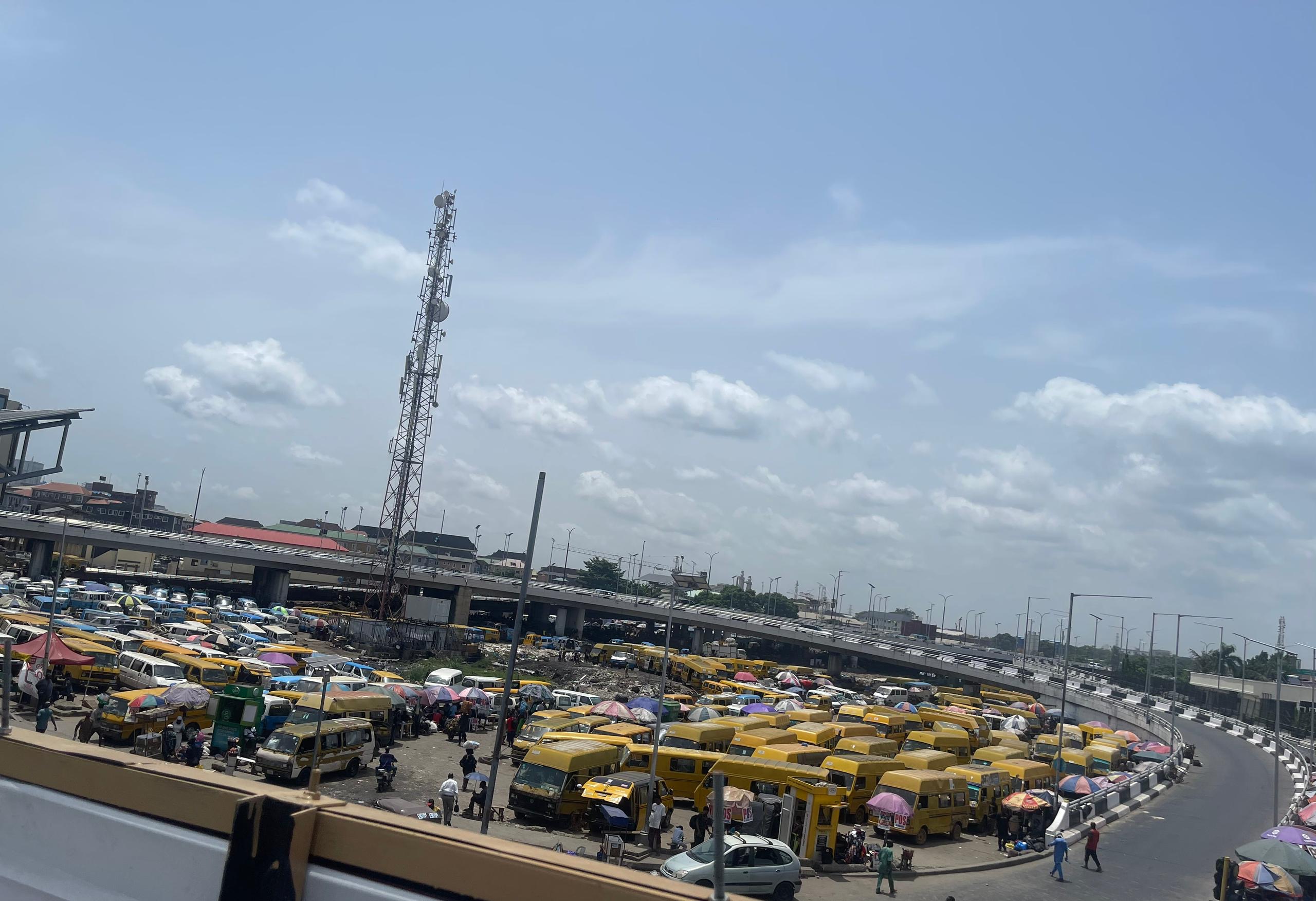

At Obalende Bus Stop, what exists on paper and what is visible on the ground do not quite align.
Lagos State budget records show that N129 million was spent in 2025 on landscaping and beautification of the Obalende underbridge bus park.
Yet, multiple visits to the site suggest little to indicate that work of such scale has taken place.
At the same time, the same location is being referenced for another beautification project to now be funded by MTN Nigeria under its corporate social responsibility.
The newly proposed transformation of Obalende Bus Stop into a modern transport hub, “the Y’ELLO Bus Park,” was presented as a major step toward improving one of Lagos’ busiest corridors.
The vision, announced in 2026, includes organised transport operations, solar-powered infrastructure, improved sanitation, and green public space.
However, while the new plan sounds good, the expenses reportedly incurred for a similar beautification project in 2025 remain invisible in terms of physical impact in the area.
For daily users of the space, the absence of visible progress is difficult to ignore.
“We’ve pushed for this development before, fought, we’ve gone back and forth, but at this point, it’s up to the government to act when they’re ready,” said Saka Balogun, a bus driver.
According to him, earlier conversations around the project stalled over execution.
“The last major argument was about who would handle it. Now, MTN said they wouldn’t hand it over to anyone; they want to execute it themselves,” he said. “There’s been no sign of construction or beautification. If work had started, it wouldn’t be hidden; we would all see it.”
However, he maintained that people are open to the project.
“Everybody wants development. Nobody would reject something good. For now, we are hopeful and waiting.”
What the 2025 budget shows
Documents from the Lagos State Ministry of Budget and Economic Planning indicate that N129 million was disbursed in 2025 under a project titled “Landscaping & Beautification of Obalende Underbridge and Setback, Development of New Parks and Garden.”
The project fell under the purview of agencies such as the Lagos State Parks and Gardens Agency (LASPARK) and the Ministry of Environment and Water Resources.
The document showed that N194.2 million was allocated for the project, but by the end of the fourth quarter of the 2025 budget cycle, roughly N129 million had been disbursed.
A breakdown of the spending indicated that N60.55 million was released in the fourth quarter, while N23.256 million was spent in the third quarter.
This leaves about N45.227 million expended during the first and second quarters of 2025 on the landscaping and beautification of the Obalende underbridge.
However, beyond the figures, there is limited publicly available detail on the specific scope of work executed, the contractors involved, and the project timelines or milestones.
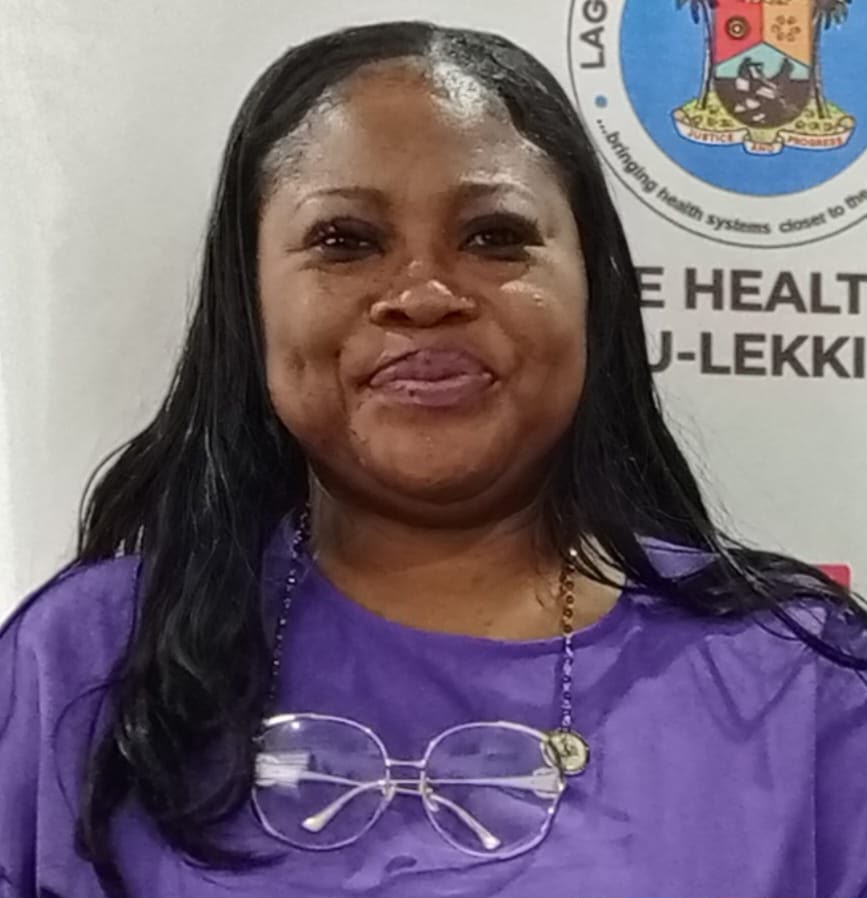
When contacted, the General Manager of the Lagos State Parks and Gardens Agency (LASPARK), Mrs Adetoun Popoola, directed our reporter to the Lagos State Ministry of Environment and Water Resources.
The General Manager stated that questions regarding the beautification of the Obalende Bus Stop must be directed to the Ministry of Environment and Water Resources, which oversees the project.
The GM did not provide further details, maintaining that only a response issued through the ministry would suffice.
“Send a letter to the Ministry of Environment. The Ministry of Environment is handling the project. They will give you any information you need on the project,” she said.
A formal letter was sent to the Commissioner for Environment and the ministry via email, seeking clarification on the project. However, as of the time of filing this report, no response had been received.
Repeated attempts to reach the Commissioner via phone calls were also unsuccessful, as calls went unanswered.
What multiple visits reveal
Multiple visits by our reporter between the end of 2025 and the first quarter of 2026 could not ascertain any visible landscaping or structural improvement.
A follow-up visit on April 7, 2026, also could not ascertain any beautification.
Traders and commuters also expressed surprise at the spending, saying they had not seen the impact.
“We haven’t seen any work like that here,” one trader, Muyibat Kareem, said.
“If anything was done, it didn’t show,” a commercial driver in the area who gave his name simply as Jimoh also added.
Their accounts reflect a disconnect between paper figures and lived experience.
Meanwhile, during another visit on April 19, a noticeable banner indicating the commencement of the Y’ELLO Bus Park project, including details of sponsors and projected timeline, was seen.
This signals the new plan that the project is now to be taken up by MTN and other stakeholders in 2026, as earlier announced by the government.
However, earlier reported expenditures of 2025 remain unclear in terms of visible impact.
Sanitation concerns persist
Beyond questions of funding and timelines, a more immediate issue confronts those who use the space daily, the problem of sanitation.
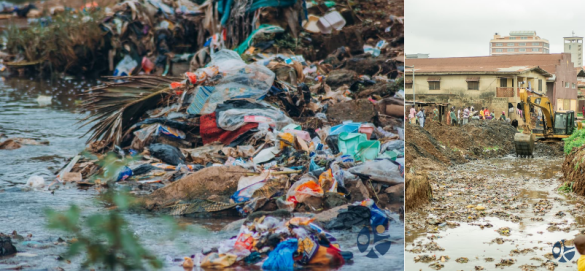
Under the bridge, the drainage is clogged with dark, stagnant water, plastic waste, and all kinds of debris. A pipe nearby empties straight into the canal, and the smell is hard to ignore.
For a place that thousands of people pass through every day, it is not just unpleasant; it is a health risk.
The reality is even harsher for those who live and sleep around the area. Makeshift shelters line parts of the underbridge, and some homeless people have carved out spaces for themselves there, living beside polluted water and navigating unsafe conditions daily.
Traders sit just a few steps away, selling food and goods in the same environment. Commuters wait for buses there, stepping carefully to avoid slipping or splashes from dirty water.
When it rains, there are fears the blocked drainage could overflow, making movement difficult and exposing more people to contaminated water.
What makes it more worrying is how normal it has started to feel. People move around it, adjust to it, and carry on, but that doesn’t make it safe.
For a policeman nearby who requested anonymity, this raises a fundamental concern. “Before beautification, there is a more urgent need for basic environmental management. We can’t even breathe,” he said.
On one hand, budget records indicate that significant funds have already been expended, but the reality says otherwise.
For now, the situation at Obalende sits in a space between documented expenditure, proposed development, and lived reality.
Until clearer information is provided and visible progress aligns with public records, the gap between policy, spending, and everyday experience continues to define the state of the Obalende underbridge.
All rights reserved. This material, and other digital content on this website, may not be reproduced, published, broadcast, rewritten or redistributed in whole or in part without prior express written permission from Third Lens.
Contact: theeditor@thirdlensng.com